Thomson Reserve: Could You Picture Your Everyday Life Here?
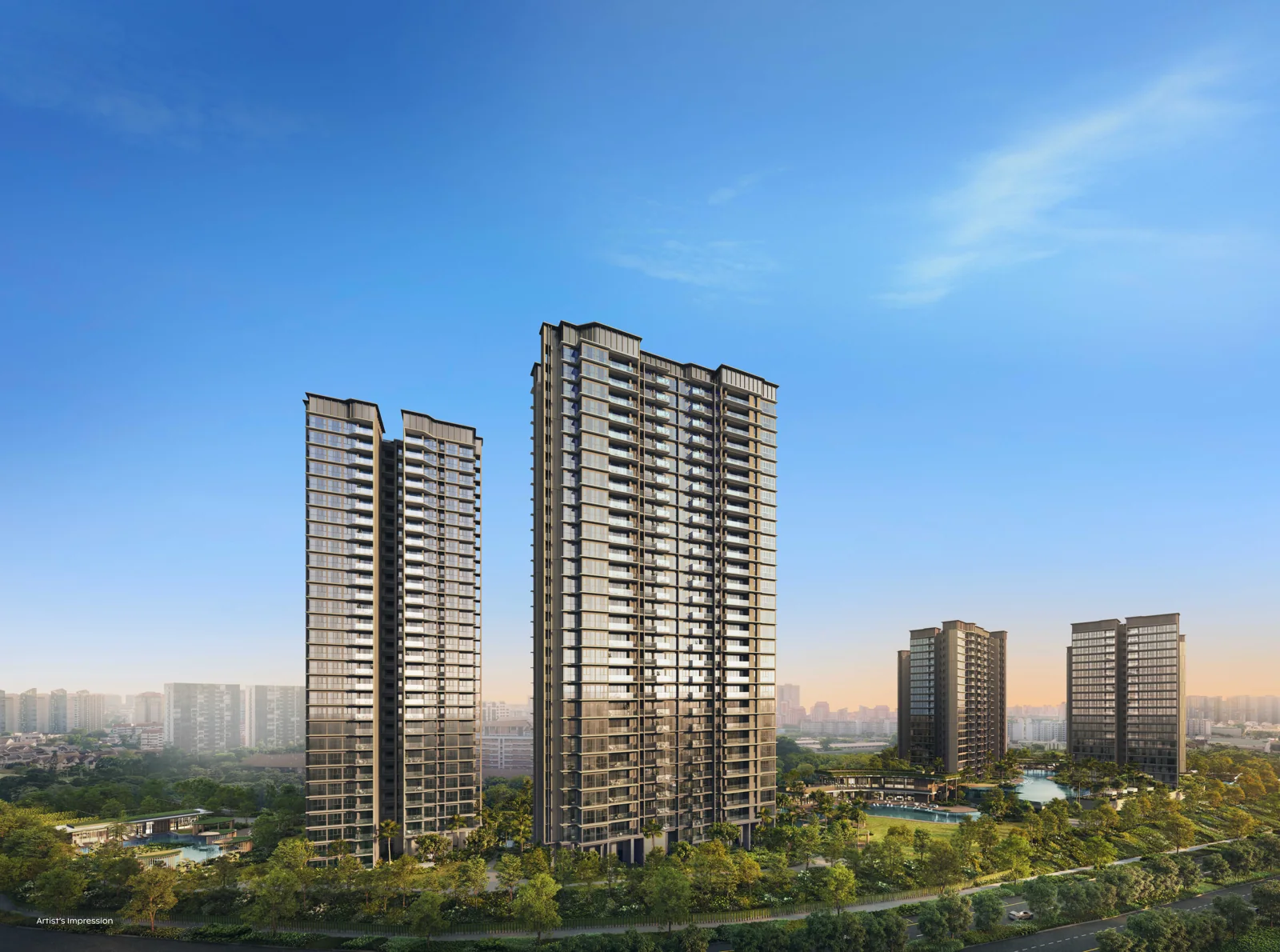
Thomson Reserve · Artist’s impression
By Geraldine Inoue
Imagine an ordinary Tuesday. You're heading to work, someone needs to get to school, and there's a quick grocery stop to fit in before dinner.
When you're considering a new home, these small, repeated journeys deserve a place in the conversation. They're the moments when a location starts to feel right for you—or when you discover something you would find difficult to live with.
That's how I'd approach Thomson Reserve. Being near Upper Thomson MRT is a good reason to take a look. From there, let's explore how the address might fit the week you actually live.
A little about the team behind the homes
When you're considering a new launch, it's natural to want to know who's building it. Thomson Reserve is developed by Tamarind Development, a joint venture involving UOL, Singapore Land and CapitaLand Development.
CapitaLand Development is the development arm of CapitaLand Group. Its real estate track record spans more than 40 years, with experience in homes and integrated developments across its core markets of Singapore, China and Vietnam. Its work has received recognition including Singapore's BCA Quality Excellence Award and President's Design Award. About CapitaLand Development
UOL brings more than 60 years of experience as a Singapore-listed property and hospitality group. You may also recognise the Pan Pacific, PARKROYAL COLLECTION and PARKROYAL hotel brands, which it owns through Pan Pacific Hotels Group. Its property and design credentials include the FIABCI Prix d'Excellence and Aga Khan Award for Architecture. UOL corporate profile
Singapore Land Group (SingLand) brings a history stretching back to 1963. You may know some of the familiar landmarks in its portfolio, including Singapore Land Tower, The Gateway and Marina Square. Its business spans residential, commercial, retail and hospitality properties, adding another experienced property group to the Thomson Reserve team. Singapore Land corporate profile
That's useful background as you get to know the project. From there, I'd look at how the plans for Thomson Reserve translate into the things you'll use every day: arriving home, getting around and spending time in the shared spaces.
Start with the places you already go
CapitaLand and UOL's July 2025 statement places the former Thomson View site by Upper Thomson MRT and near Thomson Plaza. That gives us a useful starting point for looking at Thomson Reserve's surroundings. Developer statement
Now think about the two or three places you visit most often. Your workplace might be one. Perhaps your parents' home is another. If someone helps with school pick-ups, their journey belongs on the list too.
For each destination, look at the whole trip: leaving your block, reaching the station or car, making any transfers, and getting from the other end to where you need to be. A route can look straightforward on a map and still have a part you'd want to check in person.
You don't need an elaborate spreadsheet. A few notes on your phone will do: where you're going, when you usually leave, and what you still want to find out.
Which way would you head out in the morning?
When you look at the site plan, trace the route from the block you're considering to the exits and onward to the station. If you take the train and your partner drives, look at both journeys.
Ask which connections are confirmed and which remain subject to final plans. A development-wide proximity description doesn't tell you how long your own door-to-platform journey would take.
A simple question to bring to the viewing is: “Can you show me the route I'd use most mornings?”
If a school is part of the plan, give yourself time to check
It's understandable to start a property search with a school in mind. Having home and school work well together can be an important family priority.
For a new development, I'd put three things side by side: the school, your intended registration year, and when you expect to move. Then check the exact address and the conditions for using it.
MOE explains that home-school distance is based on the residential building outline and school boundary, and advises checking the address in the registration year. That means a general description of the neighbourhood isn't enough to settle an individual family's school question. MOE address guidance
It helps to settle these questions early. You can then enjoy exploring the property with a clearer idea of what works for your family and what still needs an answer.
Leave a little time to explore the neighbourhood
If you're visiting the area, allow some time beyond the showflat appointment. Look at where you'd buy groceries, pick up dinner or meet a friend. Thomson Plaza is one place to include in that walk around.
Think about a rainy afternoon as well as a pleasant weekend. Which route would you take? Would it suit everyone who needs to use it? Check the actual paths before assuming that a whole journey is sheltered or accessible.
And give each person's routine a turn. A location may work beautifully for your commute while asking someone else in the family to make a bigger adjustment. Knowing that gives you something useful to discuss together.
What would make you happy to stay?
Here's a question I like for any shortlist: if your workplace changed, or your child went to another school, what would you still enjoy about living here?
You might value being near familiar people, having useful amenities around you, or simply feeling comfortable in the neighbourhood. Your answer doesn't need to match anyone else's.
Before the viewing, pick two things that really matter to you. Keep them in mind as you look at the available homes and prices. It becomes easier to recognise a good fit when you've already decided what you're looking for.
A few questions you may have
Would every block have the same walk to the MRT?
That's something to check on the site plan. The route from your proposed block to the pedestrian gate is part of your journey too. A development-wide proximity description won't answer that for every home.
Does being near a school guarantee a place?
No. Check the relevant school, address and registration-year requirements. Proximity is one part of the discussion, and admission remains subject to the applicable rules and vacancies.
How do I know whether the price makes sense?
That needs a separate look at the actual unit, total purchase price and alternatives available to you. Getting comfortable with the location helps you decide whether to take that next step; this article doesn't make a price or return assessment.
Let's talk about your everyday routes
Make your next viewing count. Send “Thomson Reserve” and the destination you travel to most often to my Telegram assistant, and ask to discuss your shortlist with me.
It's a simple way to start with what matters to you—and work out which questions to bring to the viewing.